
The Art of Natural Stone Sculpture
Natural stone sculpture is a timeless craft that combines creativity, skill, and patience. It transforms raw stone into stunning works of art that enhance any space. Whether you are a homeowner looking to add a unique feature to your garden, a designer seeking inspiration, or a contractor aiming to deliver exceptional projects, understanding the art of stone sculpture can elevate your work.
Stone has been a favored medium for artists and builders for centuries. Its durability and natural beauty make it ideal for both indoor and outdoor applications. In this post, I will share insights into the process, materials, and techniques involved in creating natural stone sculptures. I will also explain how to select the right stone and maintain your sculpture for lasting beauty.
Understanding Natural Stone Sculpture
Natural stone sculpture involves shaping and carving stone to create artistic or functional pieces. The process starts with selecting the right type of stone. Common choices include marble, granite, and limestone. Each stone has unique properties that affect how it can be worked and how it will look once finished.
Marble is prized for its smooth texture and ability to hold fine details. Granite is harder and more durable, making it suitable for outdoor sculptures. Limestone is softer and easier to carve but requires more care to prevent weathering.
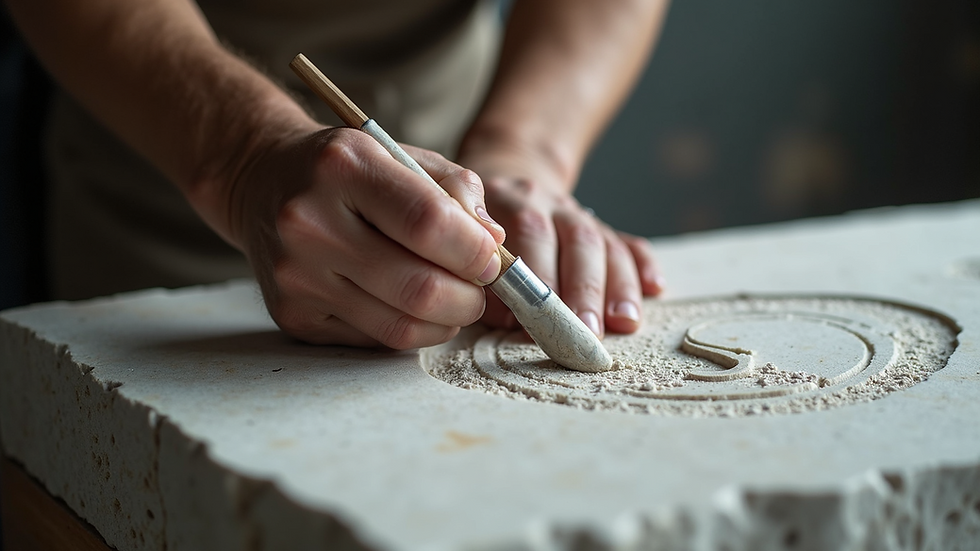
The sculptor uses various tools such as chisels, hammers, grinders, and polishers to shape the stone. The work requires precision and patience, as mistakes can be difficult to correct. The final step often involves polishing the surface to enhance the stone’s natural colors and patterns.
Choosing the Right Stone for Your Project
Selecting the right stone is crucial for the success of any sculpture project. Consider the following factors:
Durability: Will the sculpture be indoors or outdoors? Outdoor sculptures need stones that resist weather and erosion.
Appearance: Different stones offer various colors, textures, and patterns. Choose one that complements your design vision.
Workability: Softer stones are easier to carve but may not last as long. Harder stones require more effort but provide longevity.
Cost: Some stones are more expensive due to rarity or transportation costs.
For example, if you want a garden sculpture that withstands harsh weather, granite is an excellent choice. For an indoor decorative piece with intricate details, marble might be better.
When sourcing stone, it’s important to work with reputable suppliers who provide quality materials and expert advice. This ensures you get the best stone for your needs and avoid costly mistakes.
Tools and Techniques in Stone Sculpture
Stone sculpting requires specialized tools and techniques. Here are some essentials:
Point Chisel - Used for rough shaping and removing large chunks of stone.
Toothed Chisel - Helps refine the shape and add texture.
Flat Chisel - Used for smoothing surfaces.
Hammer and Mallet - Provide the force needed to drive chisels into the stone.
Angle Grinder - Equipped with diamond blades for cutting and shaping.
Polishing Pads - Used to achieve a smooth, glossy finish.
The process typically follows these steps:
Design and Planning: Sketch the sculpture and plan the dimensions.
Rough Shaping: Remove excess stone to form the basic shape.
Detailing: Carve finer details and textures.
Sanding and Polishing: Smooth the surface and enhance the stone’s natural beauty.
Safety is paramount. Always wear protective gear such as goggles, gloves, and dust masks. Stone dust can be harmful if inhaled.
Caring for Your Stone Sculpture
Proper care extends the life and appearance of your stone sculpture. Here are some practical tips:
Cleaning: Use a soft brush or cloth with mild soap and water. Avoid harsh chemicals that can damage the stone.
Sealing: Apply a stone sealer to protect against stains and moisture. This is especially important for porous stones like limestone.
Location: Place outdoor sculptures in areas with good drainage to prevent water damage.
Inspection: Regularly check for cracks or chips and address them promptly.
Professional Maintenance: For large or valuable pieces, consider professional cleaning and restoration services.
By following these steps, your sculpture will remain a striking feature for years to come.
Bringing Your Vision to Life with Natural Stone Sculpture
Creating or commissioning a stone sculpture is a rewarding experience. It adds character and value to any property. Whether you want a bold centerpiece or a subtle accent, natural stone offers endless possibilities.
If you are ready to explore options, consider working with experts who understand the nuances of stone selection and sculpting techniques. They can guide you through the process and help you achieve your design goals efficiently.
For those interested in learning more about the materials and craftsmanship behind these works, I recommend visiting All Stones AB. Based in Stockholm, All Stones AB offers hand-carved sculptures and stone washbasins. Request a free estimate.
Natural stone sculpture is more than just art - it is a lasting investment in beauty and quality.
By understanding the materials, tools, and care involved, you can confidently incorporate stone sculptures into your projects. The timeless appeal of stone will continue to inspire and impress for generations.

Comments